Service 02 / Integrated solar roofs
A roof that works harder.
Roof-integrated solar, flush arrays, solar canopies, and storage — engineered with the same care as the architecture it sits on.
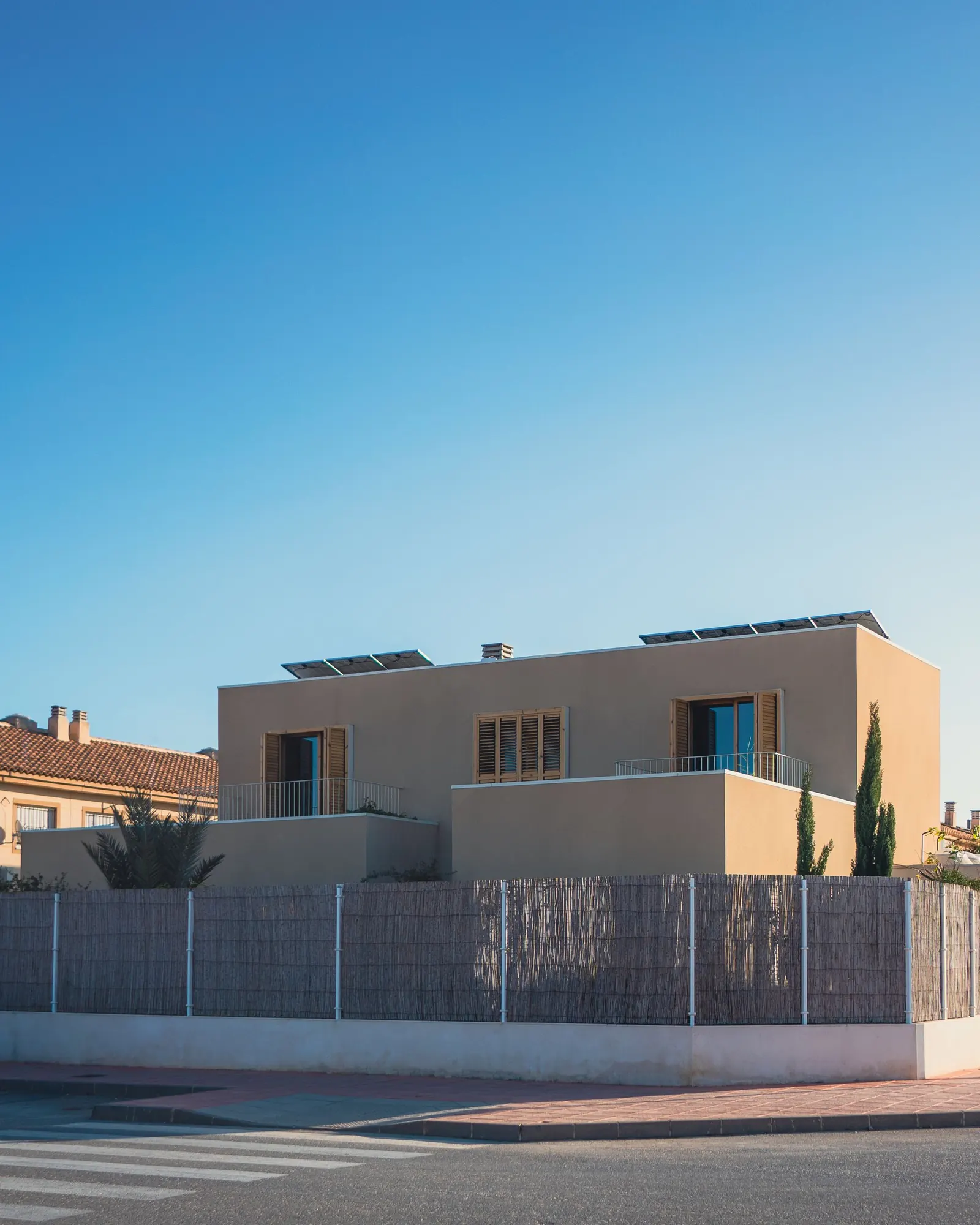
The work
Solar that belongs on the building — not bolted to it.
Not an afterthought. Part of the roof.
Most solar is sold as an add-on: a rack, a panel, a penetration, a separate warranty. We design solar as part of the roof assembly, with the same attention to water, snow, wind uplift, and service access that we bring to the facade.
That means fewer penetrations, a cleaner roof line, and a system that can be maintained without walking on the membrane. It also means the array can be sized around the architecture instead of the other way around.
We work with standing-seam metal, membrane, shingle, tile, and low-slope roofs. For new construction, we can coordinate the roof and the array as a single scope. For retrofits, we assess the structure and the waterproofing before we sell a panel.
Ask about your roofCapabilities
From array to architecture.
A full-scope solar practice that understands the roof, the structure, and the building envelope.
01
Roof-integrated PV
Flush arrays and integrated modules detailed into standing-seam, shingle, tile, and low-slope roofs.
02
BIPV canopies
Solar glass canopies, carports, and shading structures that produce power and define outdoor space.
03
Solar + storage
Behind-the-meter batteries sized for evening peak, resilience, and backup loads — not a showroom number.
04
Production modeling
Irradiance, shading, snow, soiling, and degradation modeled before the array is sized.
05
Roof + envelope coordination
We detail the array with the roof, insulation, and facade in one model. No missed flashing, no orphaned penetration.
06
Monitoring & service
Commissioning, production guarantees, remote monitoring, and a service team for the life of the system.
Systems
Solar that fits the roof.
Typical configurations. Final design depends on roof type, structure, shading, and utility rules.
Output is DC nameplate per square foot of array, before site-specific shading and soiling. Financial incentives vary by state, utility, and tax year; consult a qualified tax advisor.
In detail
Roofs, considered.
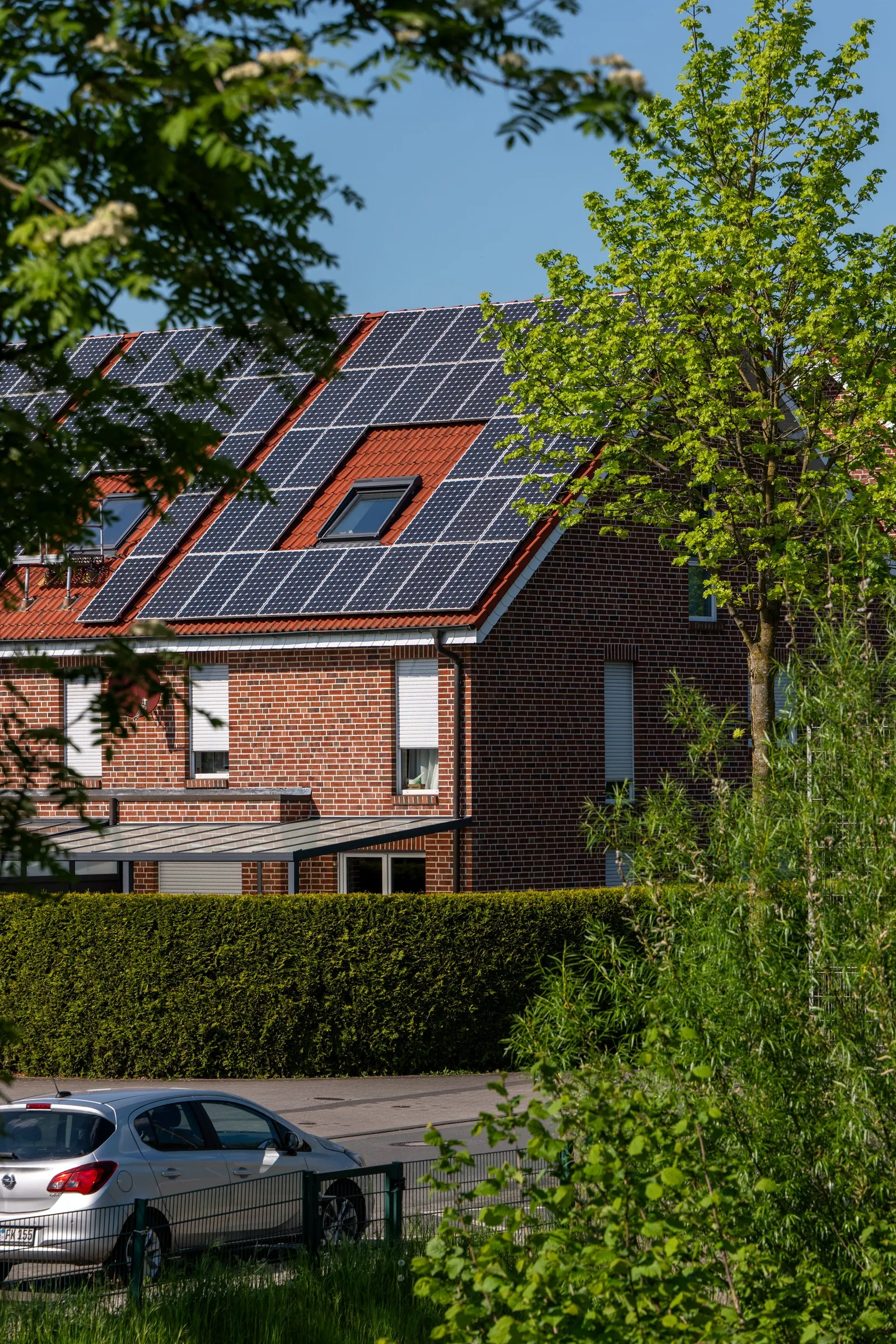
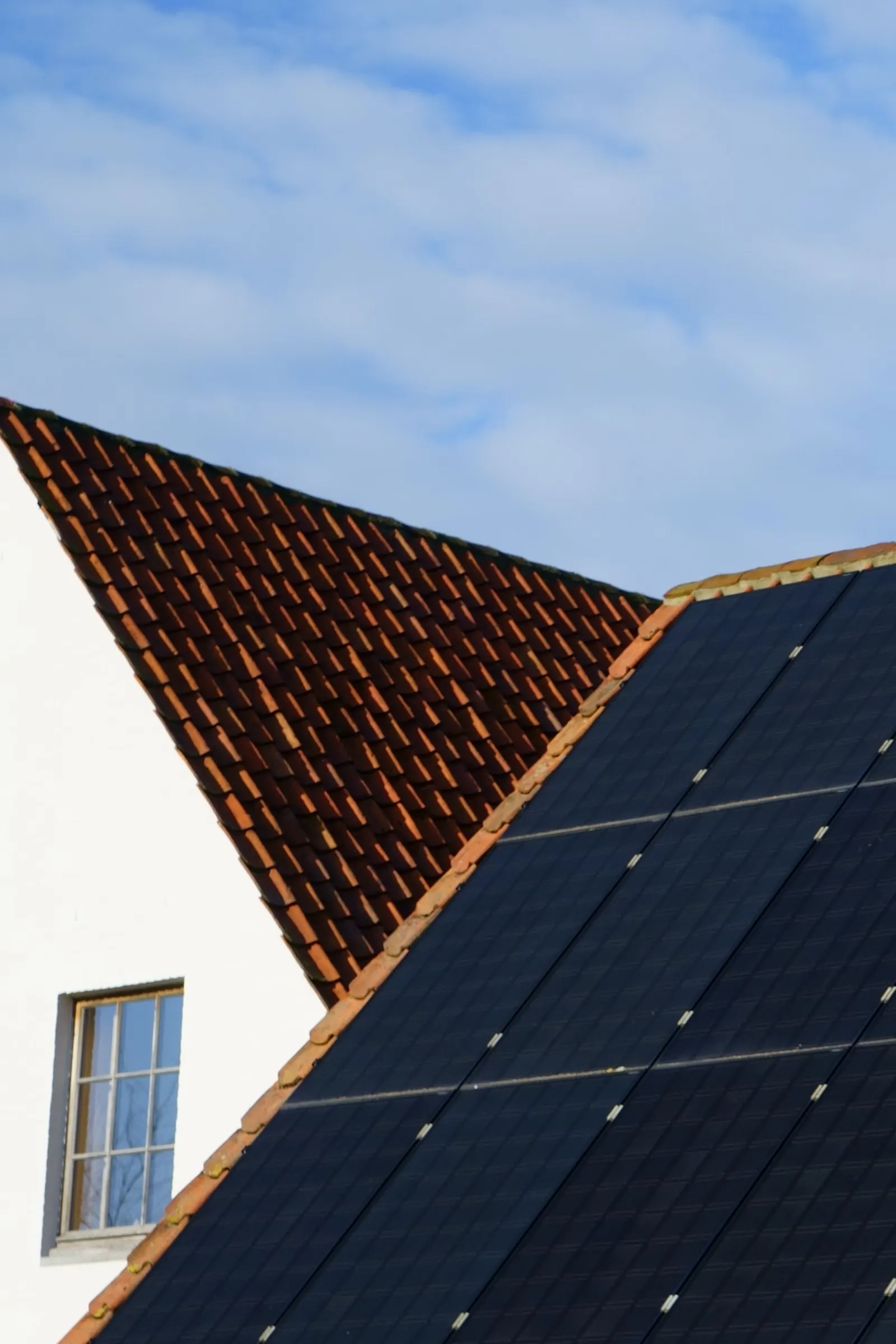
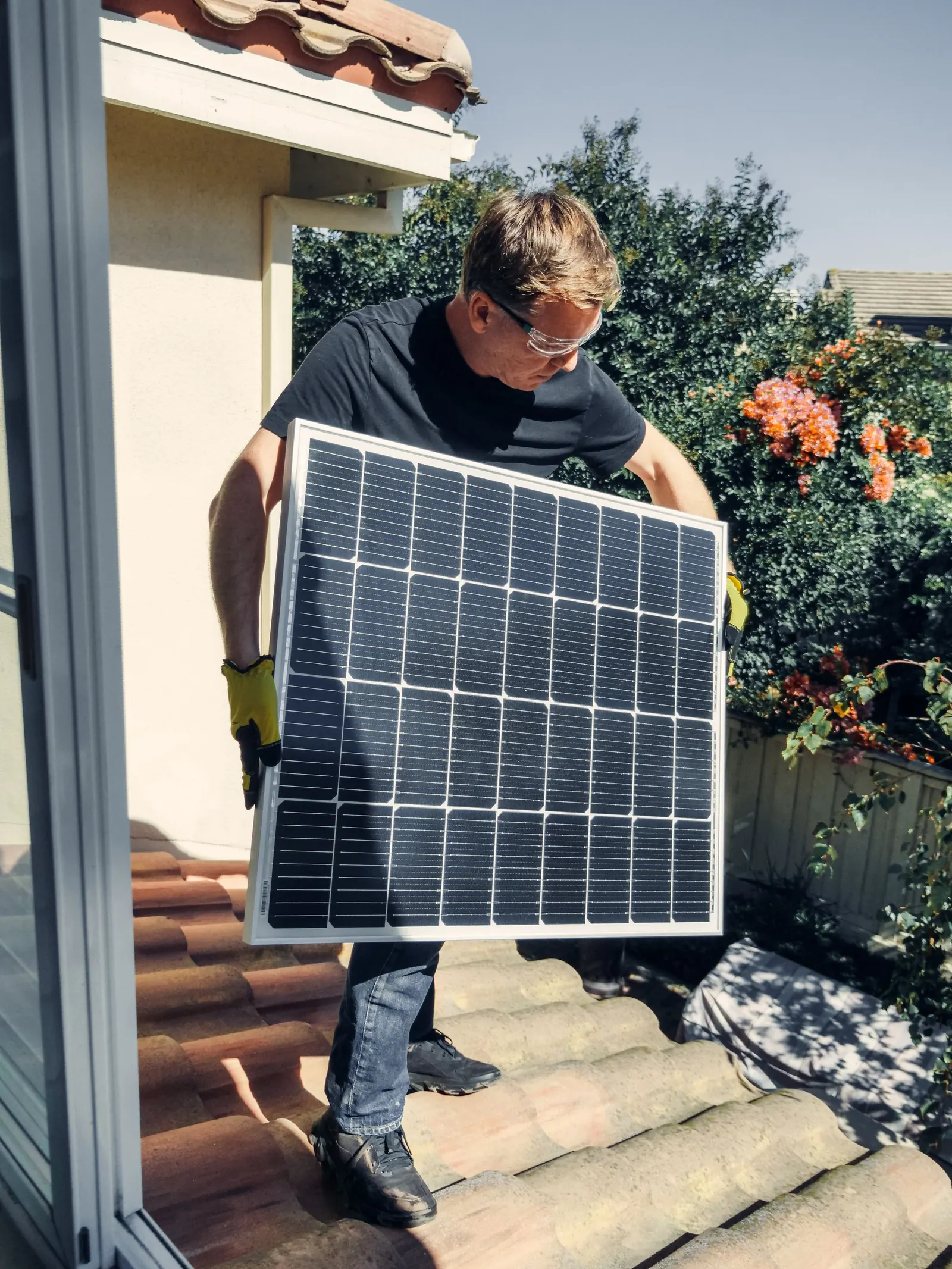
Usually, yes — but the roof type and structure matter. We review the roof age, framing, membrane or shingles, shading, and orientation before sizing an array. If the roof is near the end of its life, we will recommend replacing it first so the solar does not have to be removed later.
Arrays are engineered for local ground snow load and wind uplift. In mountain projects we use steep pitches, snow-shedding profiles, and snow guards to keep snow off walkways. We also model winter production rather than promising a summer-only number.
That is the best time to do it. When the roof and array are one scope, we can coordinate waterproofing, insulation, structural blocking, and conduit routing before the roof is closed. It also gives you a single warranty for the roof and the solar.
Federal, state, and utility incentives vary by location and tax year. We provide a project-specific incentive summary for discussion, but we do not give tax advice. Please confirm eligibility with a qualified tax advisor before signing.
Published planning ranges are $2.85–$3.65 per watt for residential roofs and $3.15–$4.10 per watt for commercial roofs, installed. Battery storage is typically $800–$1,150 per kWh. A drawing-based inquiry gives you a real number.
Solar inquiry
Start with the roof.
Send a roof plan, a utility bill, or a few photos. We will tell you what the roof can produce and what it will cost.